How to Check iPhone Storage and Find What Is Secretly Consuming Your Space
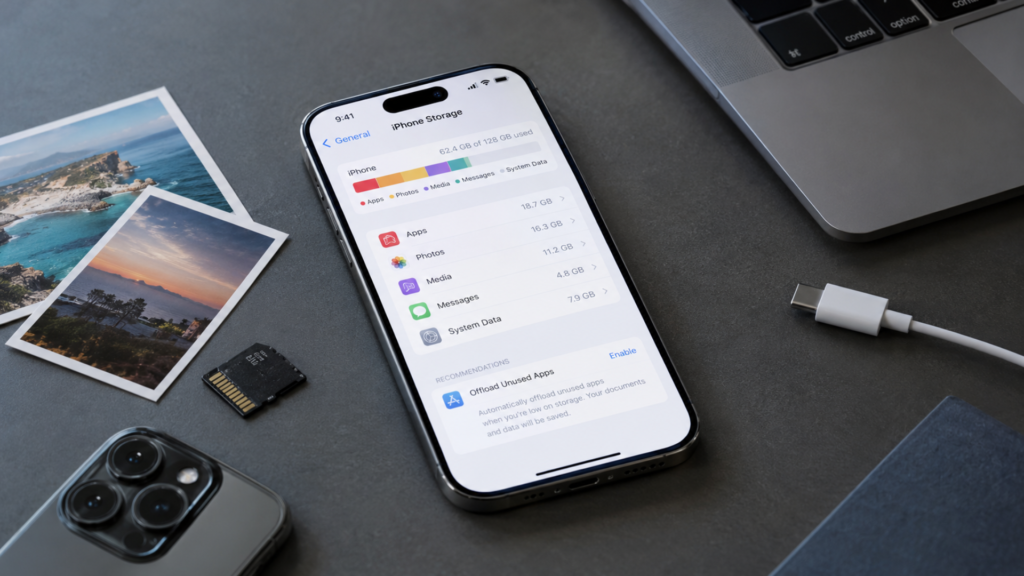
Running out of space can be frustrating. It will hinder the smooth functioning of your iPhone, being unable to download new apps, take photos, record videos, or install an iOS update. Less storage space can also slow down the phone. Even if you don’t have many apps installed, files like photos, videos, downloads, cached data, and message attachments can still take up more space. You don’t have to delete everything to free up space. Knowing how to check iPhone storage correctly can identify what is taking up more space and help you decide what to remove. Here is how to check iPhone storage, find hidden space consumers, and keep your iPhone organised. How to check iPhone storage? You can see the breakdown of storage categories such as apps, photos, media, messages, and iOS data. There is also a category named System Data. It includes caches, logos, temporary files, and other system resources. Here is where to check storage on iPhone and other steps to follow for it. Open the settings app on your iPhone. Tap the general option. Select iPhone storage. Wait for the storage analysis to finish. Tap an individual app to see how much space it takes iPhone users can check both the total storage capacity and available space through settings. This is also helpful while buying the iPhone, as you can check whether the available storage capacity suits your needs. What is secretly consuming your iPhone storage? Sometimes, apps are not what consume the space. Several other types of files can occupy significant amount of space. Here are different types of content that may be secretly consuming storage on your device: Photos and videos: High-resolution images and long videos can take up space, especially if you record frequently. It is better to review the files and remove unwanted ones. Messaging apps: Files shared through messaging apps may accumulate over time. They have to be cleared after regular intervals for better efficiency. Downloaded content: Offline music, films, podcasts, and other streaming content that remain on your device long after you finish using them may take up more storage space. App documents and cache: Social media, browsers, and other apps may store temporary files or downloaded content that increases storage usage. Files and attachments: Documents saved in the Files app, email attachments, and downloaded PDFs can also contribute to storage usage. Deleting a few large videos or downloaded files may free up more space than uninstalling several small apps. Analysing the storage space usage frequently can save you from last-minute storage clearance at times of emergencies. How to check iCloud storage on iPhone iCloud storage and internal storage of your iPhone are two different features. Internal storage stores data directly in your device, while iCloud is a cloud storage facility for supported content, backups, and other information. Here is how to check iCloud storage on iPhone: Open settings. Tap your name at the top of the page. Select iCloud. Check the storage bar to see how much space is used. Open the storage details to check which categories consume the most space If iCloud storage is mostly filled, you may need to manage backups or remove unnecessary files from the storage. Be careful while deleting synced files, because deleting a file from iCloud may also remove it from other connected devices as well. Simple ways to free up iPhone storage Once you understand what is taking up space, you should start clearing unnecessary content. Delete duplicate files, photos, and large files. Remove unwanted downloaded files like films and music. Review large attachments in messages. Delete unused apps or enable offload of unused apps. Check older files, downloads, and other documents. Review app-specific storage settings before removing cached content. Professional Apple services in Qatar If your iPhone continues to report low storage, even after deleting unnecessary files or the settings freeze while analysing storage, it may indicate some other complex problems. Such persistant software issues and storage problems may require professional assistance. Conclusion Knowing how to check iPhone storage is a simple way to keep your device functioning smoothly without interruptions. By reviewing storage frequently, you can identify what is consuming your space and make informed decisions about what to remove. Connect with Apple Care, the best Apple services in Qatar for professional assistance in case of persistent storage problems. Frequently Asked Questions How do I know the storage of my iPhone? You can check the storage by going to the iPhone storage option in the general settings of your iPhone. How often should I check iPhone storage? Checking it once every few weeks is a useful habit, especially if you record or download files often. Why is my storage full when I have few apps? Storage may be consumed by other types of files like photos, videos, downloads, system data etc. Does deleting an app remove all its data? Not necessarily. Deleting an app generally removes its local app data, but some information may remain in cloud accounts or backups. You can check the storage by going to the iPhone storage option in the general settings of your iPhone. Checking it once every few weeks is a useful habit, especially if you record or download files often. Storage may be consumed by other types of files like photos, videos, downloads, system data etc. Not necessarily. Deleting an app generally removes its local app data, but some information may remain in cloud accounts or backups.
How to Check iPhone Storage and Find What Is Secretly Consuming Your Space Read More »
iPhone Services, Uncategorized